

Condensation on windows is a common problem during the winter, especially in areas with cold temperatures and high humidity.
While it is a normal occurrence and may seem harmless, it can cause problems for you and your windows. So how do you stop condensation from forming on your windows?
Read on to find out how to stop condensation on your windows during winter.
What Is Condensation?
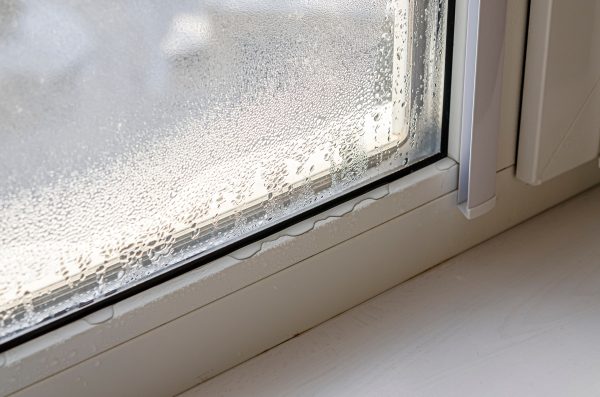
Condensation occurs when warm, humid air comes into contact with cool glass. This contact creates water droplets on the surface of the window.
It is more noticeable in the morning as the temperature difference between inside and outside increases overnight. This is why it appears during the colder months.
Why Is Condensation a Problem for Your Windows?
Condensation is a problem for your windows for a number of reasons. These include:
Mold
Condensation can create the perfect environment for mold to grow. This can cause damage to the frames on your windows and other surfaces. Not only is mold a risk to your windows but also to your health.
Reduces their Lifespan
Condensation is particularly a problem for wooden windows but it can still cause issues for uPVC too affecting their lifespan. While uPVC windows are built to withstand water, if they are constantly being exposed to water it can lead to issues that will shorten their lifespan.
How to Stop Condensation on Your Windows?
To stop condensation on double glazed windows there are a few things you can do:
Ensure Your Home is Well Ventilated
The simplest way to stop condensation on double glazed windows is to ventilate your home.
Opening a window or too for a short period in the morning after getting up should help reduce humidity levels in your home and therefore reduce condensation.
Modern windows have multi-point lock systems so they can be left open securely for ventilation while you are out during the day.
If your windows have trickle vents then you should keep them open to increase air flow into a room and reduce condensation.
Invest in a Dehumidifier
If your windows are continuing to form condensation then you may want to invest in a dehumidifier. A dehumidifier will help remove and collect excess moisture in the air.
Keep Your Heating on at a Constant Level
Condensation can form on your windows from fluctuating temperatures in your home. When your temperature decreases when your heating is off your windows become cold. When you switch your heating back on it suddenly raises the temperature in the air, but not the glass causing condensation to form.
Keeping your heating on a constant but lower temperature will stop the glass from getting cold preventing condensation from forming.
Upgrade to Double Glazed Windows
Upgrading to double glazed windows can help reduce condensation as the glass on the inside of your home will not be as cold as single glazed. This is because the gas-filled gap between the panes in double glazed windows helps keep the internal window pane closer to room temperature.
To reduce condensation on your windows entirely you can pair double glazed windows with improving home ventilation and reducing your home’s humidity.
Upgrading to new double glazed windows from single glazed or even old double glazed windows can also come with other benefits. Double glazing can make your home more energy efficient keeping your home warmer while reducing your energy bills.
Looking for Double Glazed Windows?
If you are looking for double glazed windows you can get a free no obligation quote.
At Homeshield Scotland, our range of A+ premium double glazed window styles offer the highest levels of insulation and security. In addition to this, we have various colours and finishes to choose from.
You can also save up to £2,500 off windows and doors when you recycle your old ones!
Browse our double glazed window styles.